

5 Tips to Choose Bean Bags for Kids
Mark Mellett • 02.07.2026 • 6 min read
A bean bag is one of the easiest ways to give a child a comfortable spot that's entirely their own for reading, gaming, or simply flopping down after school. Beyond comfort, they're low to the ground, easy to move between rooms, and forgiving of the everyday chaos that comes with kids spilled snacks, muddy hands, and being climbed on more than sat on but not every bean bag on the market is built with kids in mind. Many are simply scaled-down versions of adult bean bags, without the safety features, sizing, or durability a child needs.
Here's what matters when you're choosing one, and where to find a bag that ticks every box including our own Elephant Living kids' bean bag collection, designed specifically with children in mind.
1. Start with Safety
Safety should be the first thing you check, not an afterthought.
- - Childproof zippers - Look for a secure closure that a young child can't easily open. This keeps them away from the filling inside.
- - Reinforced, double-stitched seams - Kids jump, dive and wrestle on bean bags. Seams need to hold up to that, not just everyday sitting.
- - Non-toxic materials - Both the fabric and the filling should be free from harmful chemicals and flame retardants.
- - Stable base - A bean bag that's well-filled and evenly weighted is less likely to tip when a child climbs on or off.
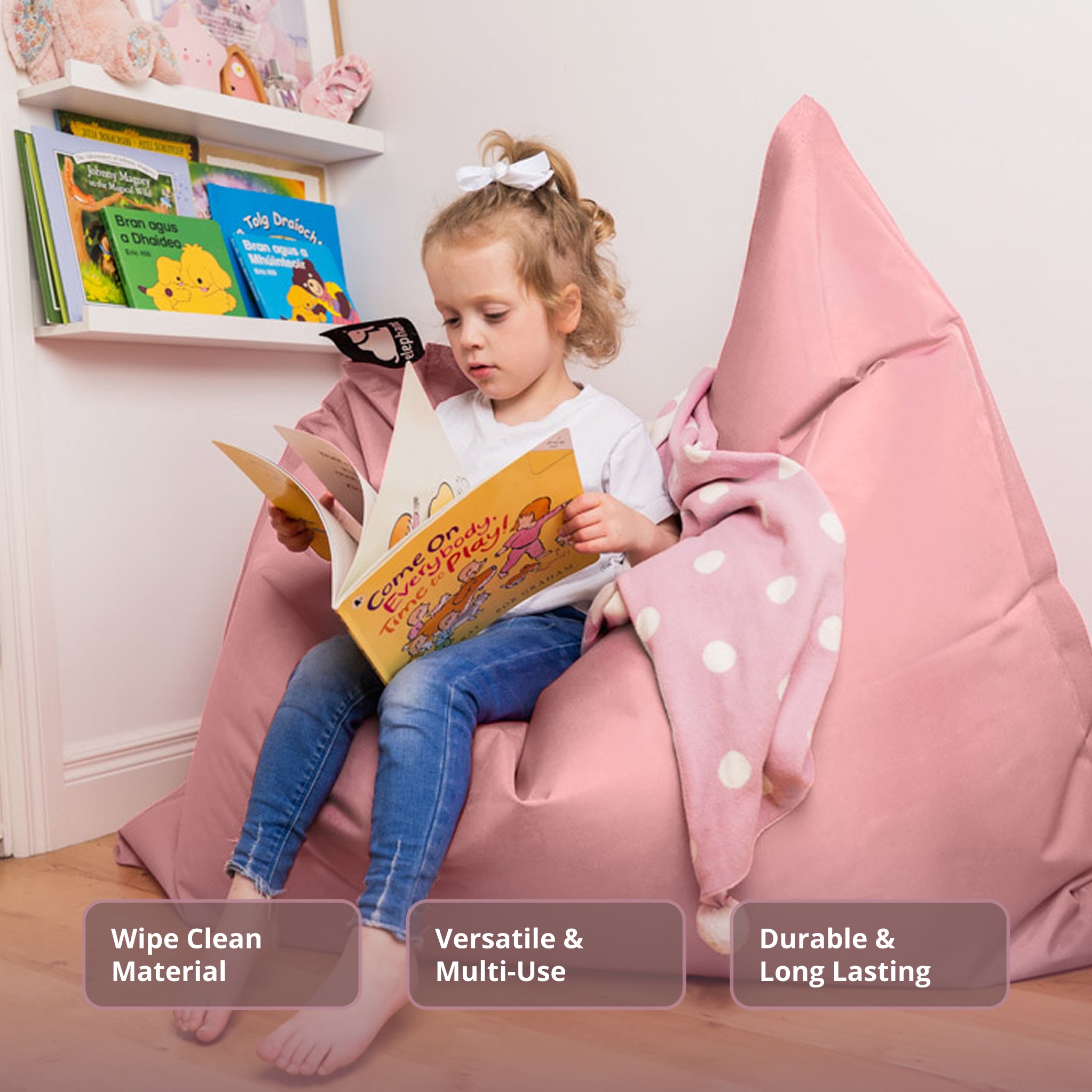
Our Junior Bean Bag is built with kids in mind, using durable, premium fabrics designed for everyday play you'll find it, along with other kid-friendly picks, in our Kids & Teens collection.
2. Size It to Your Child's Age
Bean bags aren't one-size-fits-all, and getting the size right makes a real difference to both comfort and safety.
- - Toddlers - A smaller, lower-profile bag is safest, since it sits close to the ground if a child rolls or climbs off. Playful, compact designs like our Herbie the Hippo or Stella the Unicorn bean bags work well here small enough for little ones to feel secure in, and fun enough that they'll want to sit in it.
- - Kids - A mid-sized bag gives room to stretch out for reading or gaming, without swallowing the whole bedroom. Junior Bean Bag is built for exactly this stage it measures 140 x 110 cm when laid flat as a mattress, generous enough to grow with your child while still fitting comfortably into a playroom, bedroom, or attic space.
- - Teens - Bigger bags, closer to adult sizing, give the room needed for longer lounging sessions gaming, studying, or movie nights. Jumbo Bean Bag is extra-large and roomy enough for two, making it a natural step up once the Junior is outgrown.
Sizing up gradually as your child grows means fewer replacements and a bean bag that gets used, rather than one that's abandoned once it feels too small.
3. Select Durable, Easy-to-Clean Fabrics
The right fabric depends on where the bean bag will live and how it'll be used.
- - Water-resistant polyester - Wipes clean in seconds, making it the safest bet for snack time, sticky hands, and everyday indoor play.
- - Corduroy or fleece - Soft, warm, and inviting for a quiet reading corner, though it typically needs a removable cover for washing.
- - Faux fur - Cosy and cuddly, a favourite in younger children's rooms, but not the most forgiving when it comes to daily mess.
- - Olefin - Built for the outdoors resists moisture, mould, and fading, so olefin material holds up through real weather slightly less soft underhand than indoor fabrics but made to last.
Ulko Outdoor Lounger uses it well, moving effortlessly between the patio and the playroom for everyday indoor use, a water-resistant cover is the low-maintenance choice like the one on our Junior Bean Bag, which wipes clean with a damp cloth and can handle short garden stints just as easily.
4. Choose the Right Shape for the Kids Activity
The shape matters just as much as the size it determines whether the bean bag actually suits how your child spends their time in it.
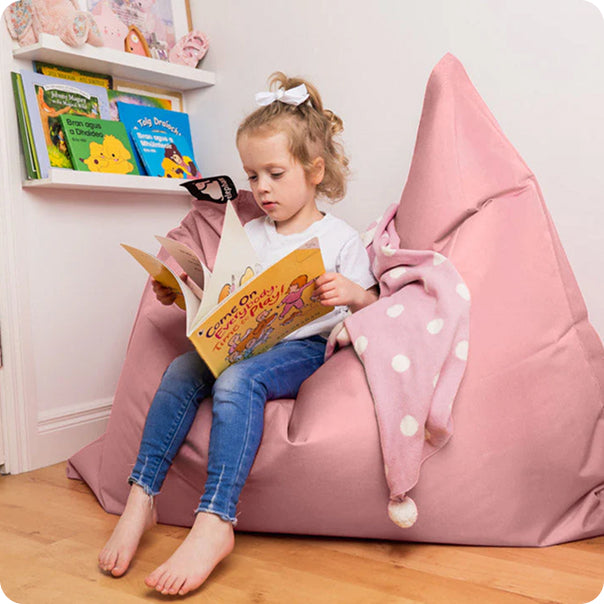
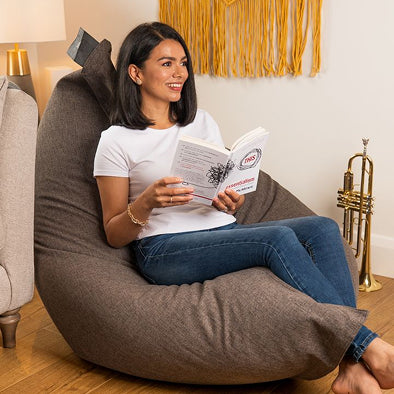
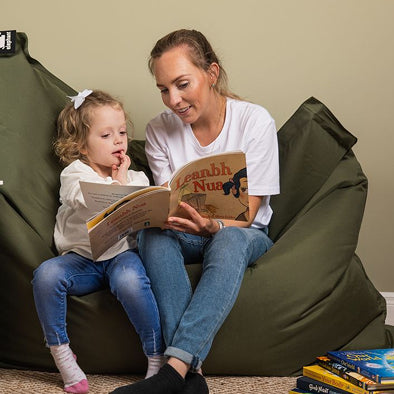
- - Teardrop or high-back - Naturally supports the back, good for reading or movie nights.
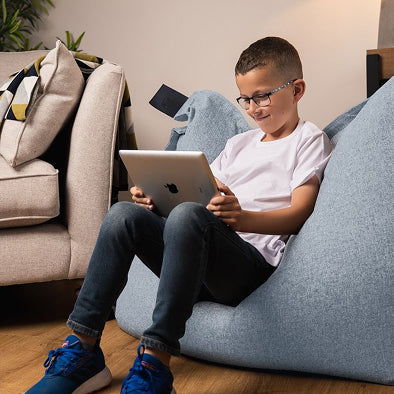
- - Structured, chair-style - Keeps kids more upright, better suited to longer gaming sessions. Boucle Chair is a good example of this shape, offering plush, supportive comfort that holds its form better than a loose bean bag during longer sit-down sessions.
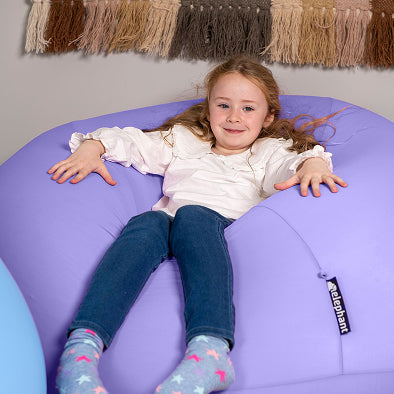
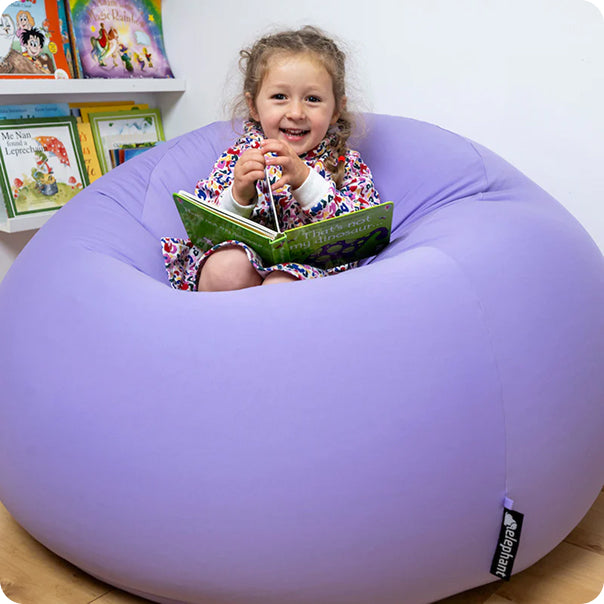
- - Classic round - The most versatile shape; it can flatten out as a mattress, double as a landing pad, or work as everyday floor seating.
A shape mismatch is one of the most common reasons a bean bag ends up unused within a few months, so it's worth matching it to the main activity from the beginning.
5. Understand the Bean Bag Filling
The filling determines how a bean bag feels day to day, and how much upkeep it needs over time.
- - EPS beads - Lightweight, so kids can move the bag themselves, though beads compress over time and may need topping up. If yours starts to feel flat, our Bean Bag Refill Packs make it easy to bring it back to full, plump comfort.
- - Memory foam - Heavier and holds its shape longer, better for a bean bag that stays in one spot.
Neither filling is better across the board it really comes down to whether you want a bag your child can drag around themselves, or one that holds its shape in a fixed spot either way, a quick top-up now and then keeps it feeling as good as new.
Sensory Comfort for Kids with ADHD or Autism
For many neurodivergent children, a bean bag offers more than just a comfortable seat. The way it moulds around the body can provide gentle, enveloping pressure that some children find calming helpful during moments of sensory overwhelm, or simply as a quiet retreat from a busy day. It's also a low-pressure alternative to structured seating, letting a child choose their own position without needing to sit "correctly."
For a deeper look at how this works, see our full guide on the Benefits of Bean Bag Chairs for Autistic Children. As with any sensory tool, it's worth trying different setups to see what suits your child and speaking with an occupational therapist if you're building out a sensory space with specific needs in mind for your kid.
Ready to find the right bean bag for your child? Browse the full Elephant Living Kids & Teens collection and find a bag that fits their age, activity, and comfort needs built to last through years of play.
FAQ
1. Are bean bags safe for children?
Yes, when chosen carefully. Look for childproof zippers, reinforced seams, and non-toxic materials, and avoid letting young children access the filling inside.
2. Can a bean bag be used outdoors?
Yes, if it's made from a weather-resistant fabric such as Olefin. Bean bags made from standard indoor fabrics should stay indoors, as prolonged damp can affect the filling.
3. How long do kids' bean bags last?
Regular use, a good-quality bean bag typically lasts several years. If the filling starts to flatten over time, a refill pack can bring it back to full comfort without needing to replace the whole bag.
4. Are bean bags good for kids with ADHD or autism?
Many parents find that the enveloping, moulded feel of a bean bag offers calming sensory input and a low-pressure alternative to structured seating.
SPECIAL OFFER
Elephant Junior Bean Bag
Transform your living space with the dynamic and playful Elephant Junior Bean Bag.
Expertly designed, this 140 x 110 cm bean bag serves as an essential element for children's gatherings while accommodating adults comfortably.
Its versatile size creates an ideal fusion of comfort and aesthetics, suitable for both solitary child relaxation and adult lounging. Select from three premium material options—Classic Nylon, Quilted, or ...