

Benefits of Bean Bag Chairs for Autistic Children
Mark Mellett • 26.02.2026 • 5 min read
For autistic children, comfort is not simply about preference, it is closely linked to sensory regulation and emotional wellbeing. The right seating can influence how calm, focused and secure a child feels throughout the day. Bean bag chairs are often considered a practical addition to sensory-friendly spaces because they adapt to the body and respond to movement. Below, we explore the keyways bean bag chairs may support autistic children in home, school and therapeutic environments.
For many families, supporting an autistic child means creating spaces that feel predictable, safe and calming. Small environmental adjustments can make a significant difference. One such adjustment is thoughtful seating. Flexible, sensory-friendly furniture may support regulation and comfort throughout the day. Creating calm, predictable spaces at home can therefore be incredibly important. Small changes, such as introducing sensory-friendly seating like Elephant Living bean bags, may help support comfort and regulation throughout the day.
Bean Bag Chairs for Autistic Kids
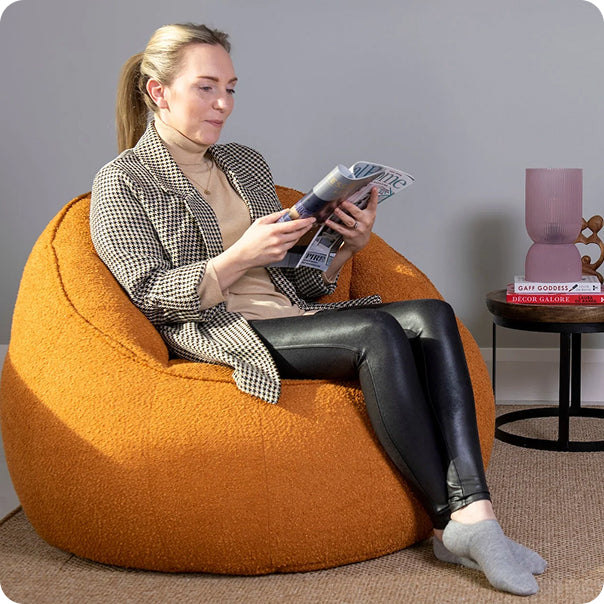
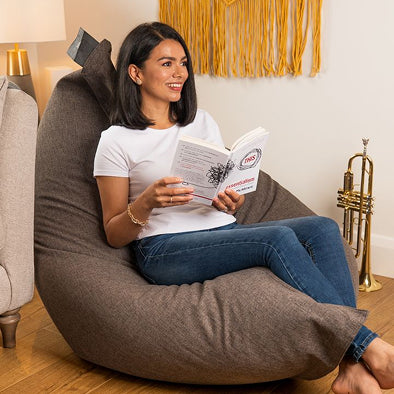
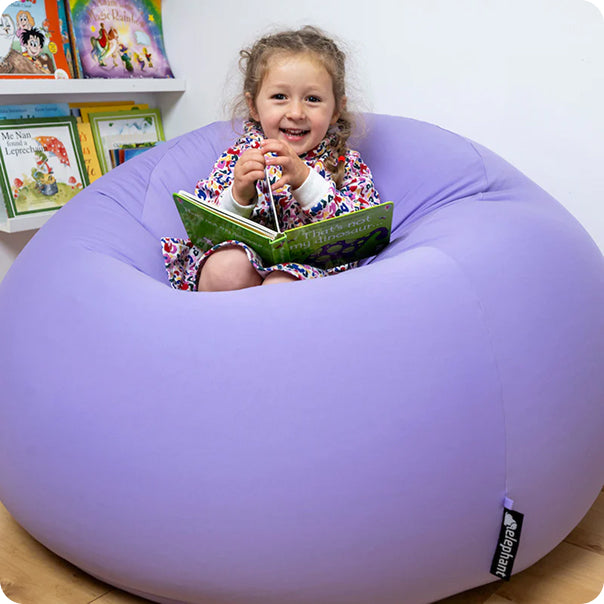
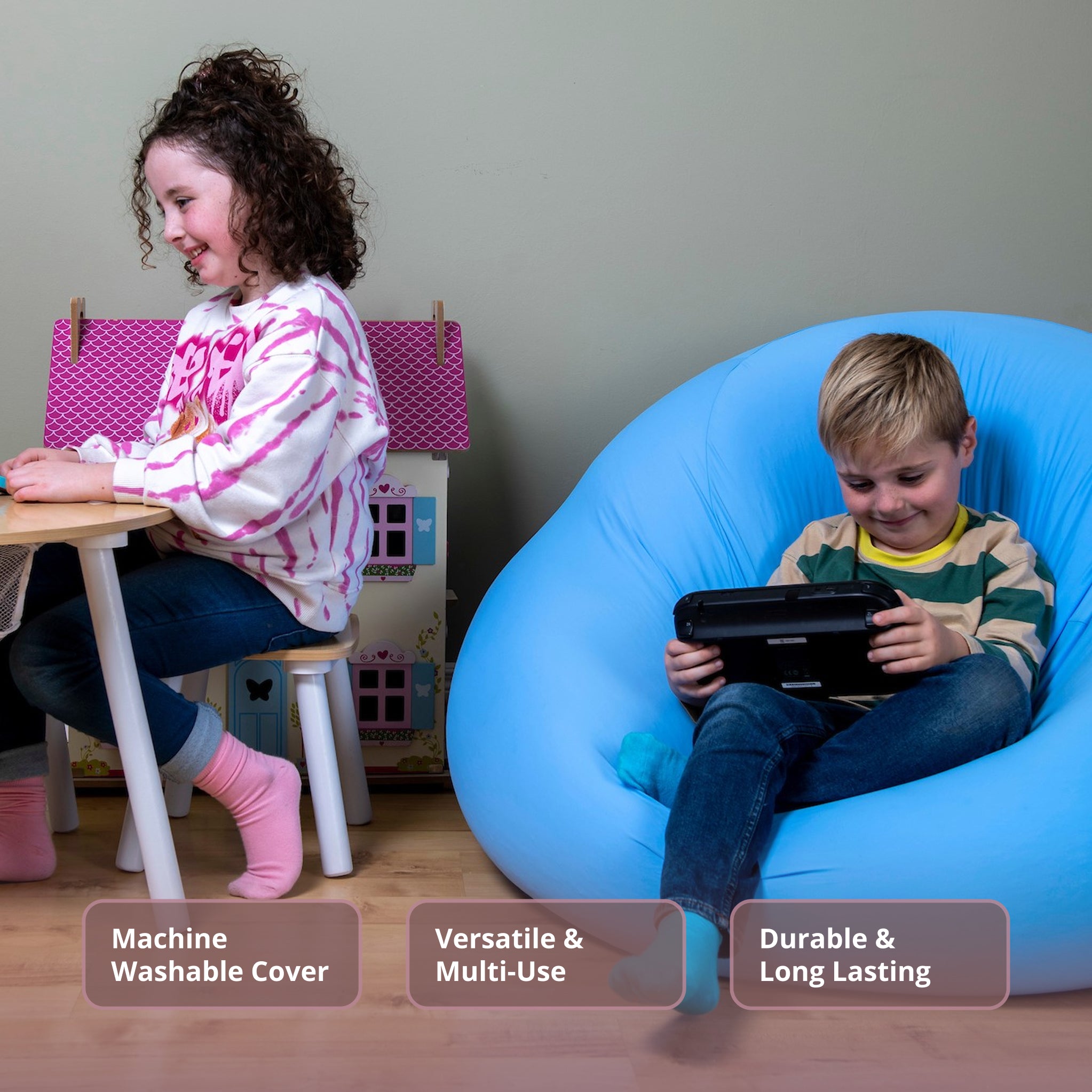
Bean bag chairs are soft seating options filled with lightweight materials such as polystyrene beads or foam. Unlike structured chairs, they mould to the body’s shape, allowing children to sit upright, recline or lie down in ways that feel natural and comfortable. Options such as the Elephant Mellow Bean Bag are designed to provide this kind of adaptable, supportive seating in everyday environments. While bean bags are often associated with casual lounging, they may also serve therapeutic purposes. In sensory-aware environments, particularly homes, classrooms and therapy rooms, they can become a practical tool for comfort and regulation.
Products like the Elephant Mellow Bean Bag combine durability with softness, making them suitable for both relaxation and structured sensory spaces.
Why the Elephant Mellow Bean Bag Is a Great Option?
- - Supportive Deep Pressure Feel – The bean bags filling adapts to the child’s body, offering gentle, even pressure that may help with sensory regulation.
- - Soft Yet Durable Fabric – Designed for everyday use at home or in learning environments, balancing comfort with long-lasting quality.
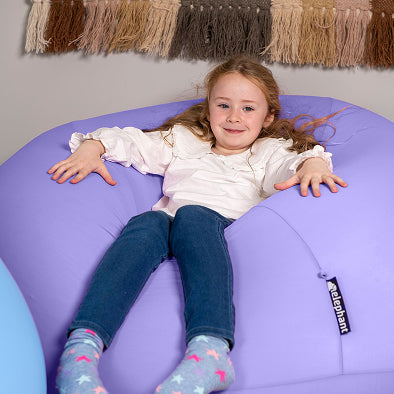
- - Flexible Positioning – Allows children to sit, recline or stretch out supporting different sensory needs. comfortably,
- - Lightweight and Easy to Move – Can be repositioned easily, helping children create their own calming space wherever they feel most comfortable.
- - Safe, Rounded Design – No hard edges or sharp corners, making it a practical choice for sensory-friendly rooms.
Benefits of Bean Bag Chairs for Autistic Children
1. Deep Pressure Therapy (Deep Touch Pressure)
Deep touch pressure refers to firm, evenly distributed pressure across the body. Occupational therapists often discuss its calming potential for individuals with sensory sensitivities. It is the same principle behind weighted blankets or compression garments.
The filling inside a bean bag gently conforms to the body, providing consistent contact. It is important to note that responses vary. While many children find deep pressure calming, others may prefer lighter contact. Observing the child’s comfort level is essential
2. Sensory Regulation and Calming
Autistic children may experience sensory overload when exposed to noise, bright lights or busy environments. Having access to a dedicated calming space can make a difference.
Bean bags create a contained, enveloping environment. The softness may provide a sense of security. Sitting or reclining in a bean bag can become part of a self-regulation routine, whether after school, during homework or between classroom activities.
3. Proprioceptive Input and Body Awareness
Proprioception is the body’s ability to sense its position and movement. Some children with sensory processing differences benefit from activities that enhance body awareness.
Because bean bags shift underweight, children receive feedback as they move, lean or adjust their posture. This constant, gentle resistance may provide grounding sensory input. For children who seek proprioceptive input, the sensation of sinking slightly into the chair can feel stabilising.
4. Improved Focus and Comfort
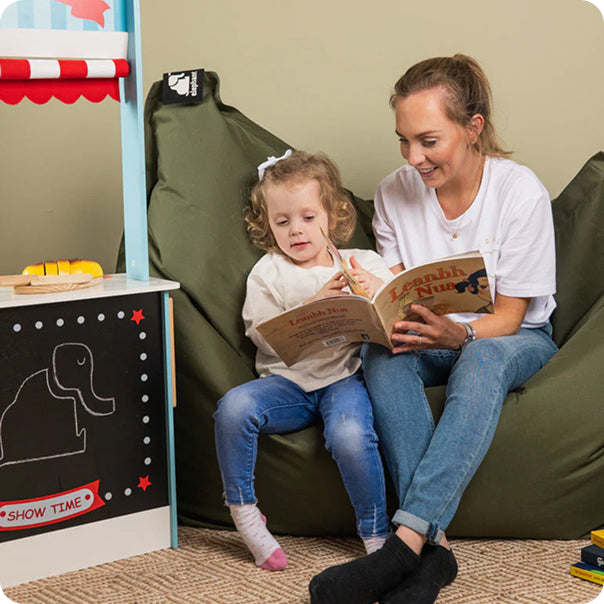
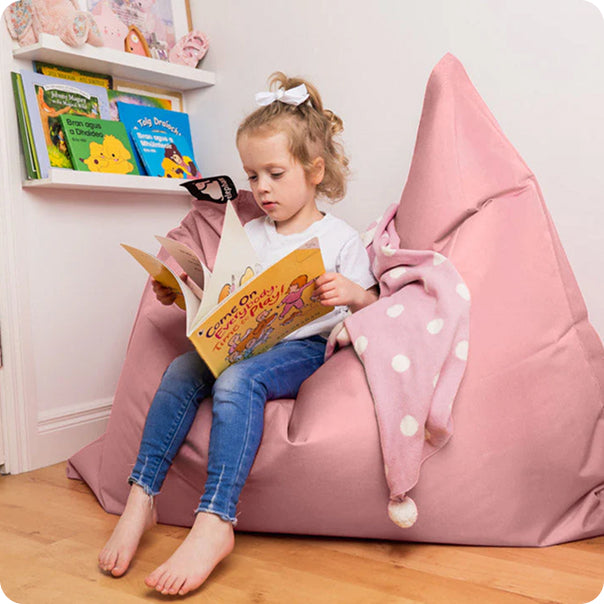
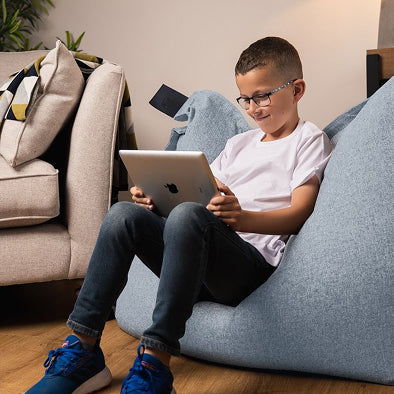
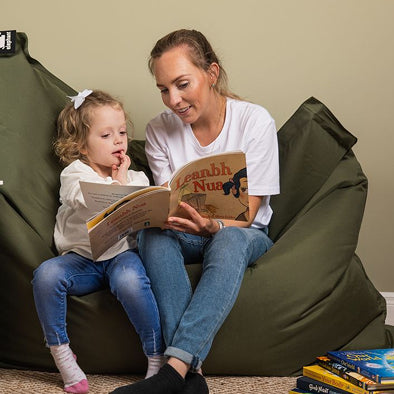
Traditional chairs require children to sit upright with limited flexibility. For some autistic children, rigid seating can increase discomfort or distractibility. Bean bags allow multiple positions. A child may sit cross-legged, lie partially reclined, or lean forward while reading. The freedom to shift naturally may support longer periods of focus, particularly in home learning or therapy settings.
5. Versatile Physical Tool
Beyond relaxation, bean bags may serve as a functional tool in physical or occupational therapy environments.
They can be used as:
- - A soft surface for balance exercises
- - A “crash pad” for safe jumping or falling
- - A support for gentle stretching or muscle engagement
- - A positioning aid for children with hypotonia (low muscle tone)
The soft structure allows therapists or parents to adapt activities safely. Always ensure supervision where physical play is involved.
6. Transportability and Safety
Most bean bags are lightweight and easy to move. Children may carry or drag them between rooms, allowing a calming space to follow them from bedroom to living room or classroom corner. Their soft construction also reduces the risk of injury compared to hard furniture. There are no sharp edges or rigid frames. Nevertheless, selecting high-quality products with secure seams and durable covers is important to maintain safety over time.
Creating a Sensory-Friendly Environment
A bean bag works best when integrated into a wider supportive setting. Consider:
- - Placing it in a quiet corner
- - Using soft lighting
- - Adding noise-reducing elements if needed
- - Keeping the area consistent and uncluttered
Routine and predictability matter. When children know where their calming space is and when they can use it, the environment feels more manageable.
Maintaining Your Bean Bag Chair
1. Regular Cleaning
Most of our Elephant bean bags have removable covers. Washing them according to manufacturer guidelines keeps the surface fresh, especially important for children with sensitivities to smell or texture.
2. Refilling When Needed
Over time, the filling may compress. If the bean bag begins to feel flat, topping up with compatible refill beads or foam can restore its supportive quality.
3. Checking Seams and Zips
It is important to inspect seams regularly to ensure there are no weak points. We fit all our bean bags with Secure zips on bean bags help prevent accidental spillage of filling materials and maintain the quality and durability of your over time. Routine checks can help ensure it remains safe for everyday use at home or in school settings.
4. Choosing Durable Materials
Opt for covers made from soft yet strong fabrics. Breathable materials can improve comfort, while wipe-clean finishes may be useful in therapy settings.
Shop now Elephant Living bean bags and bring comfort, flexibility and sensory-friendly seating into your child’s everyday routine.
SPECIAL OFFER
Der Elefanten-Mellow
"Erstaunlicher Sitzsack | Kürzlich habe ich einen weichen Sitzsack für meinen 5-jährigen Sohn gekauft und die Qualität ist fantastisch, so unglaublich bequem!! Das perfekte Stück für sein Schlafzimmer, er liebt es, darin zu sitzen. Lieferung und Kommunikation waren sehr schnell. Sehr zu empfehlen" Laura M.
The Mellow X Little Puddins
Einführung des Elephant Mellow – ...